info@tinamaria.it


Box-Es Works from 2025 to 2020
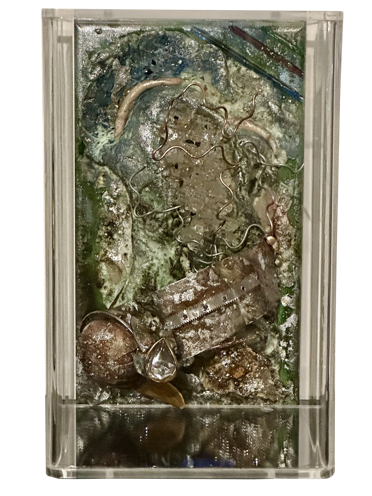
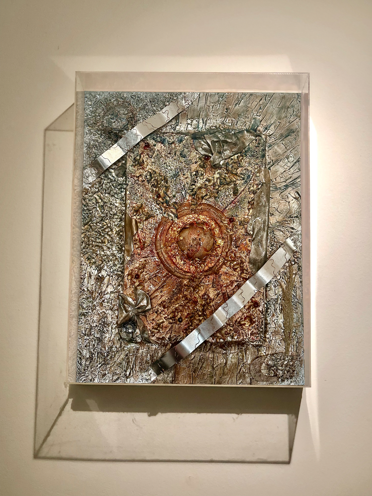
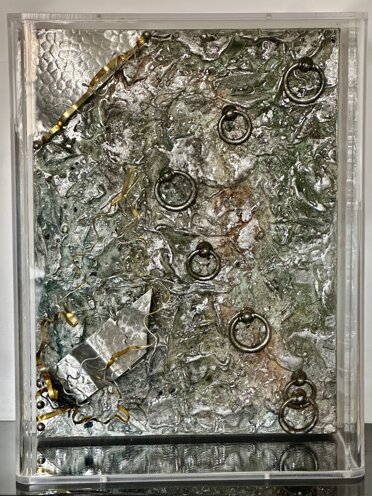
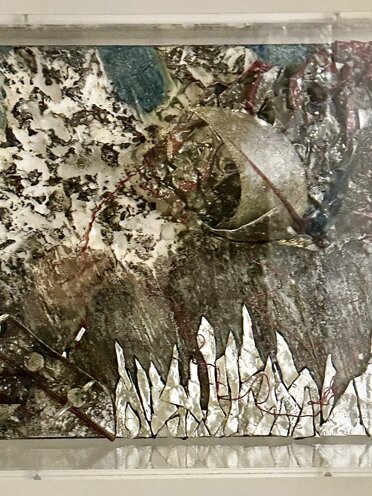
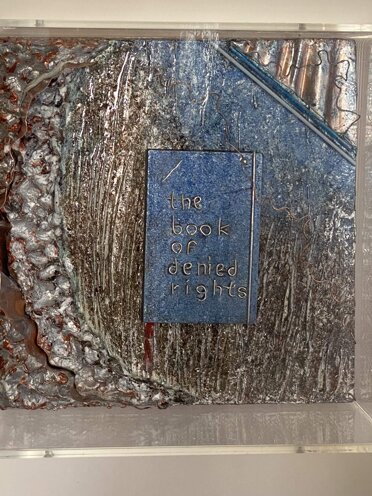
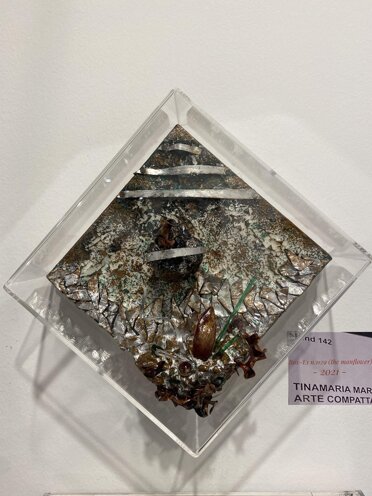
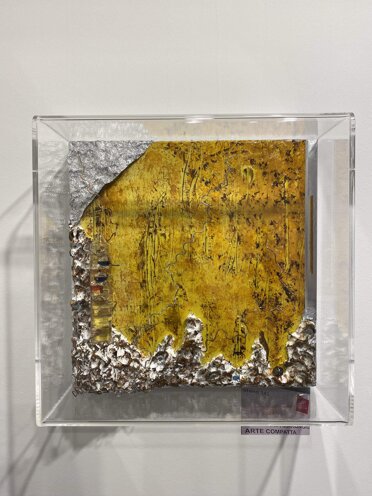
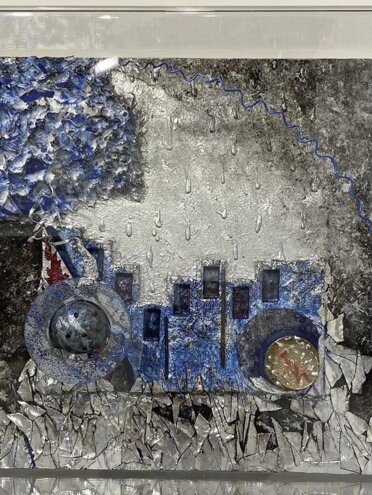
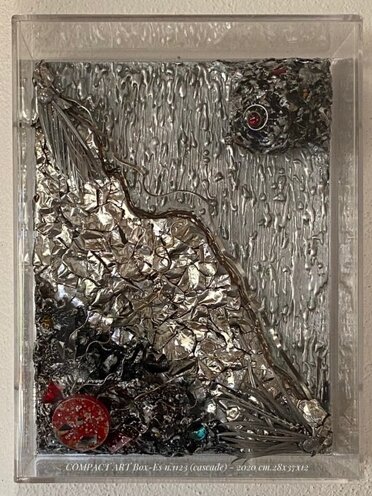
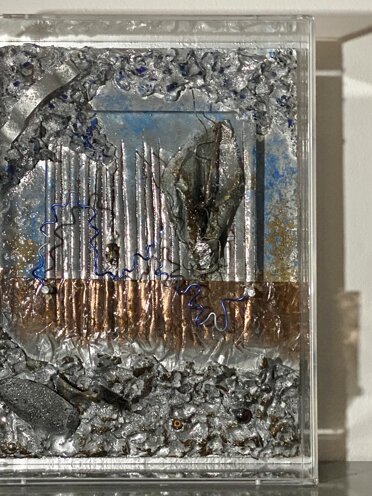
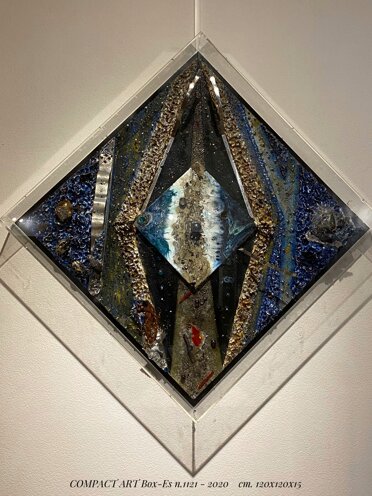
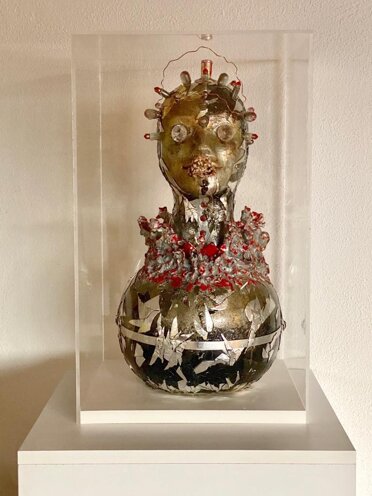
Box-Es Works from 2019 to 2013
CRITICAL COMMENTARY by Prof. LUIGI PAOLO FINIZIO
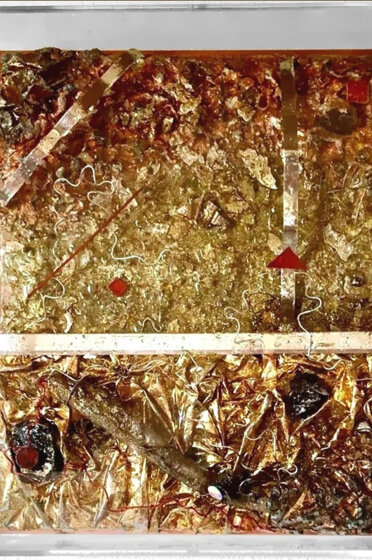
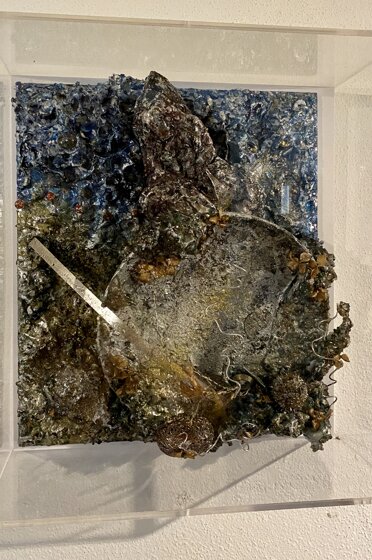
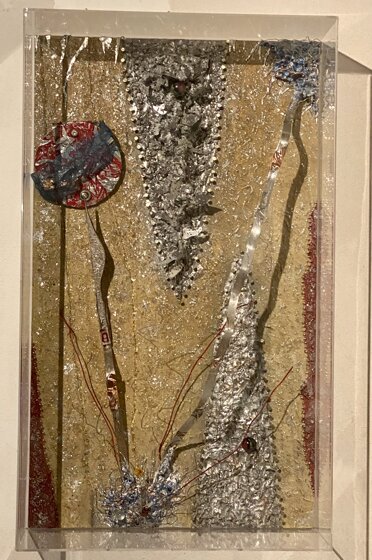
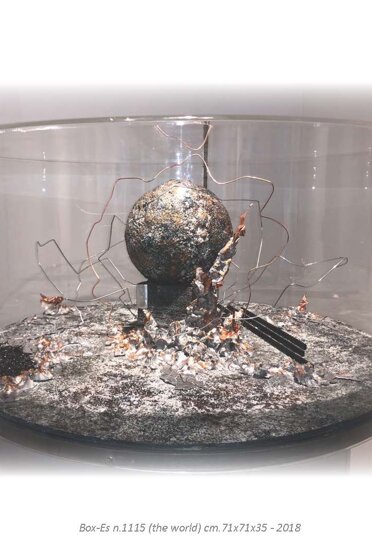
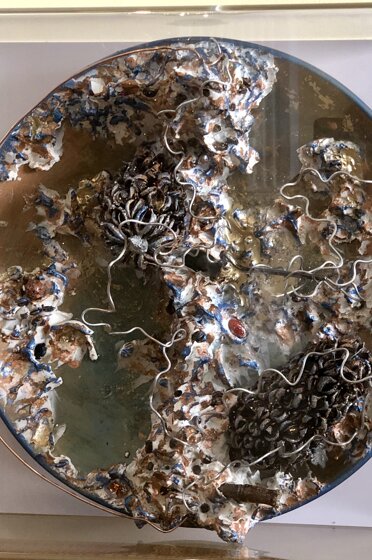
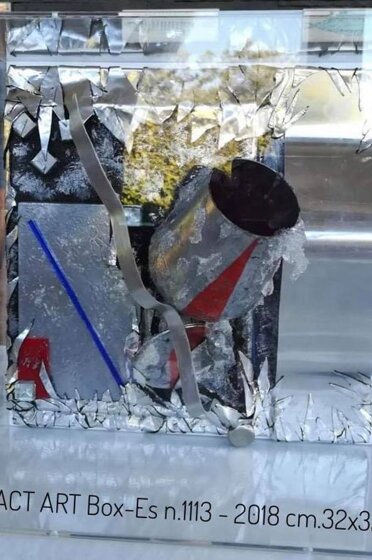
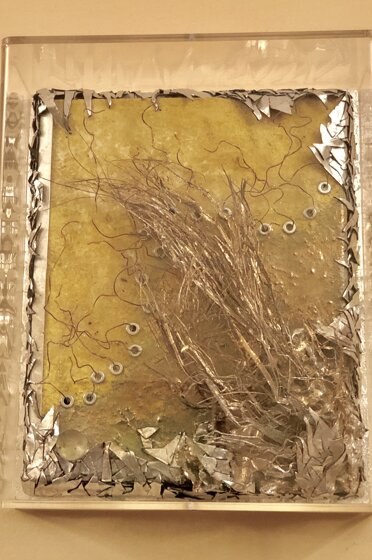
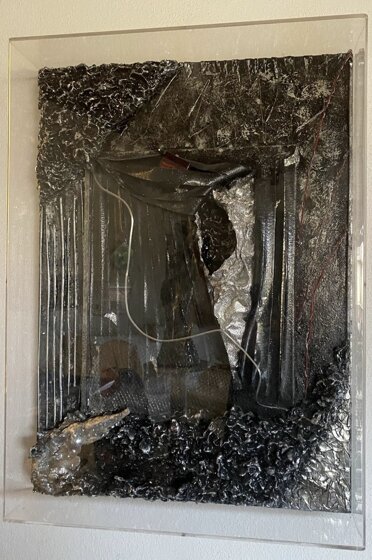
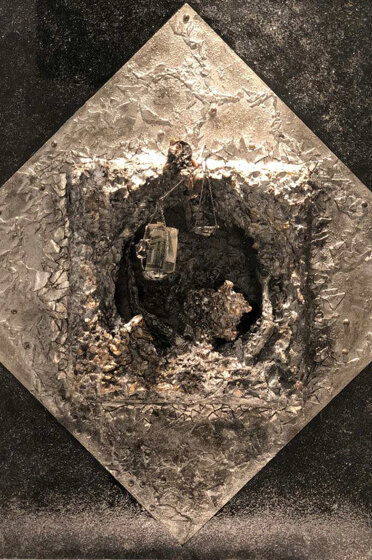
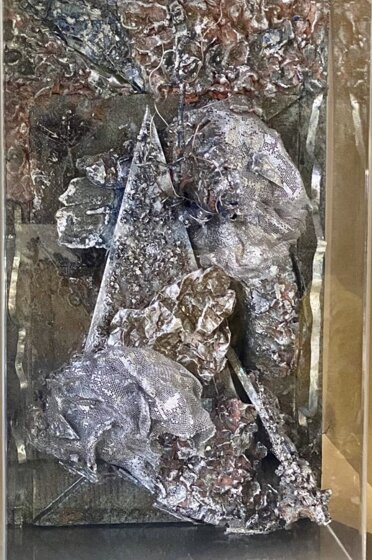
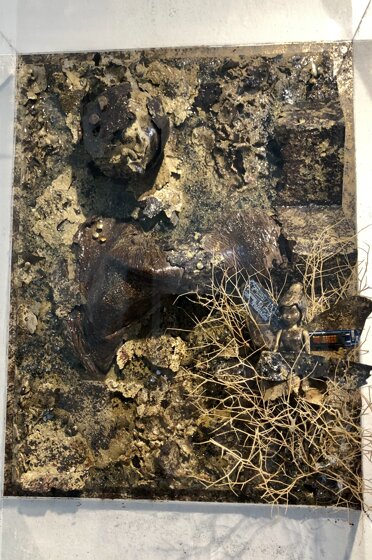
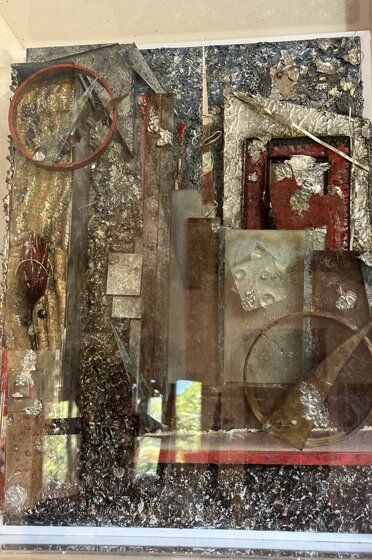
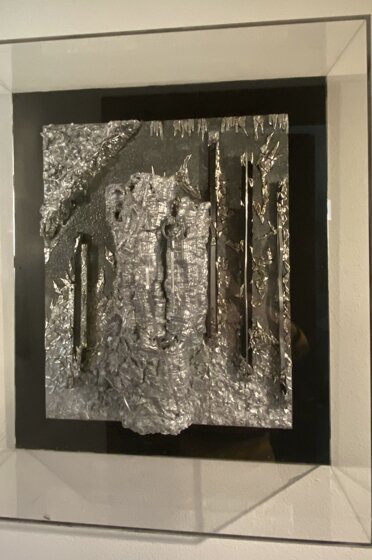
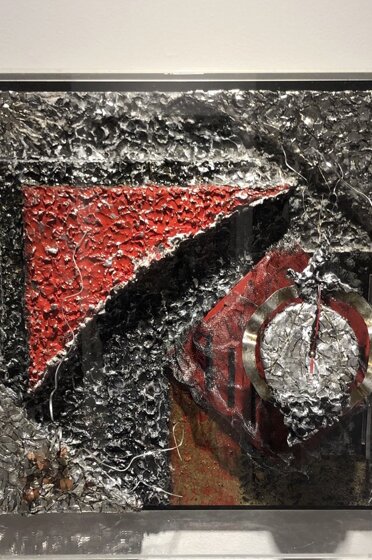
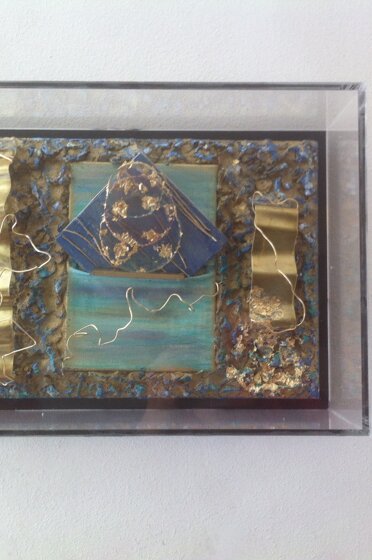
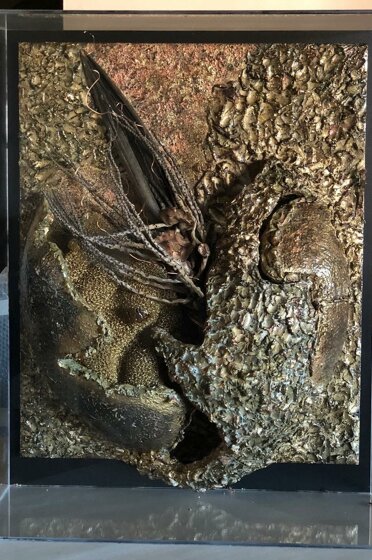
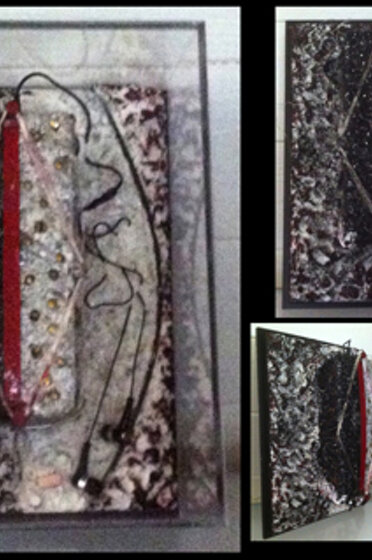
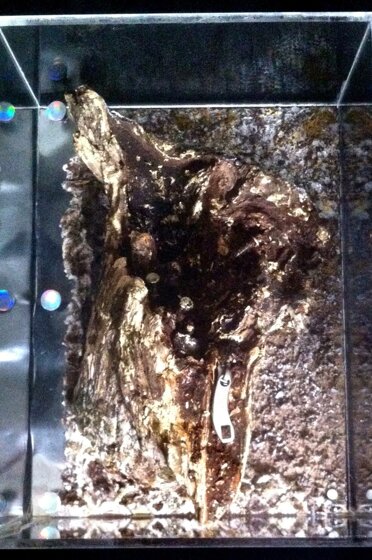
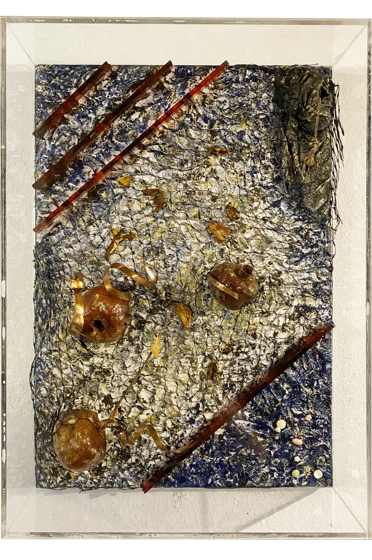
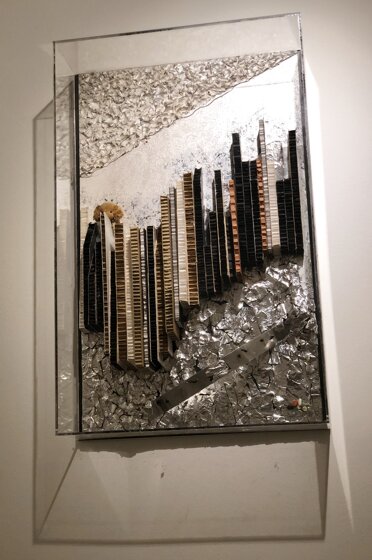
Box-Es Works from 2012 to 2009
CRITICAL COMMENT by Prof. LUIGI PAOLO FINIZIO - 2011
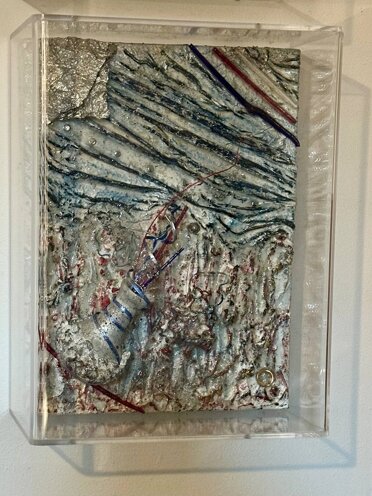
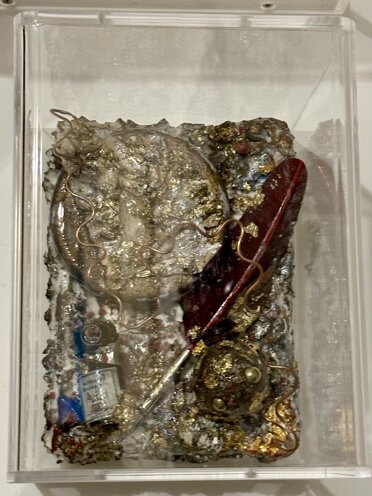
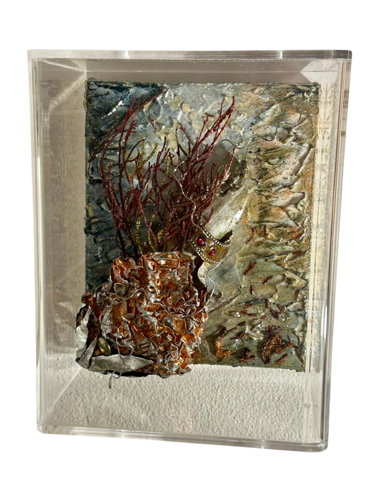
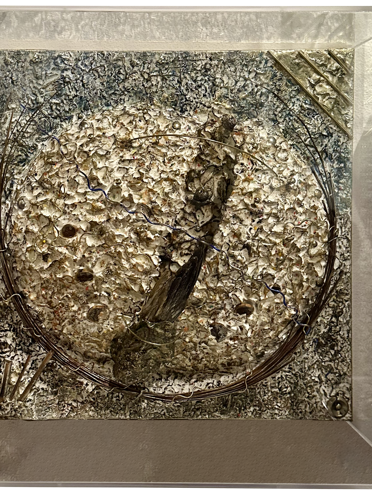
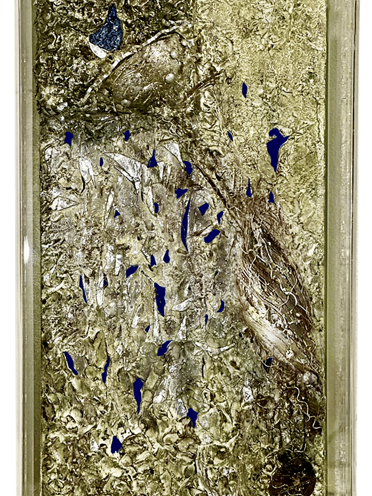
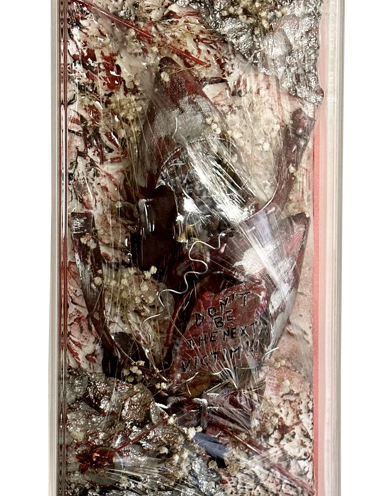
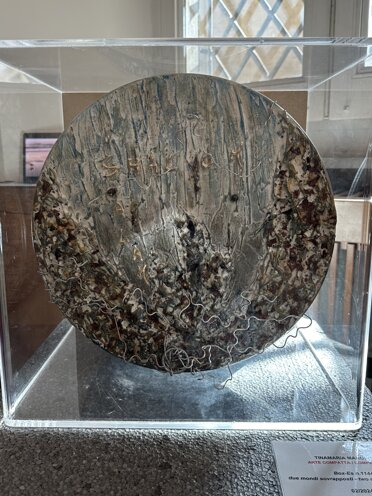
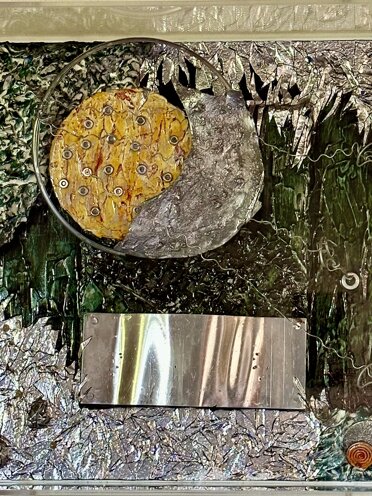
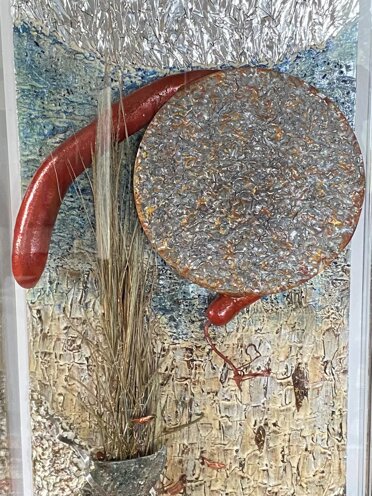
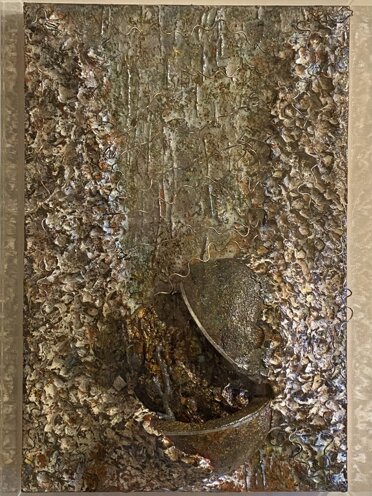
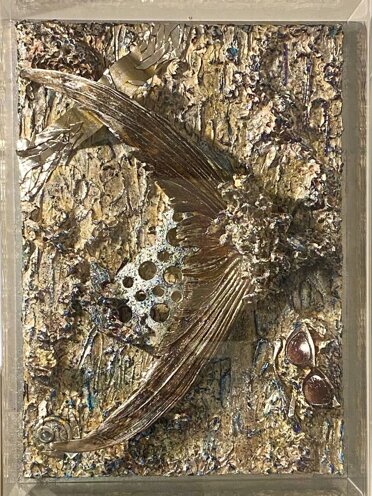
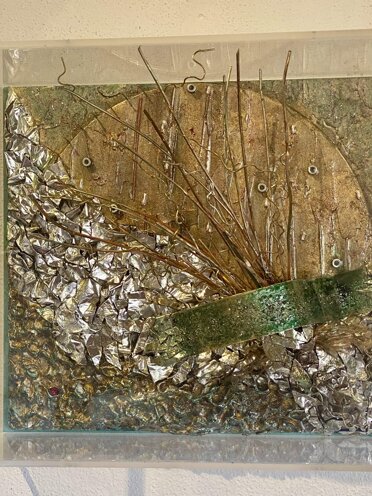
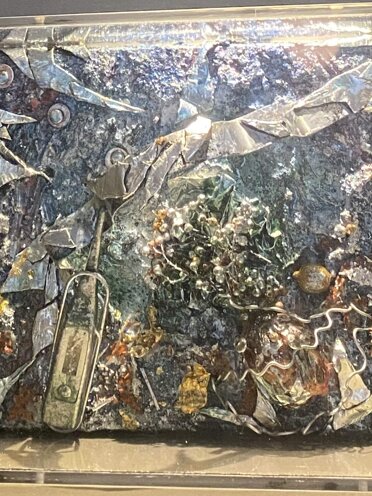
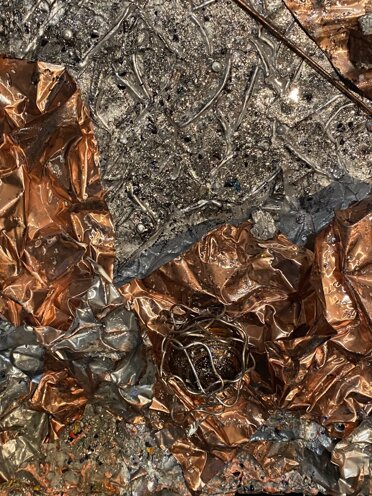
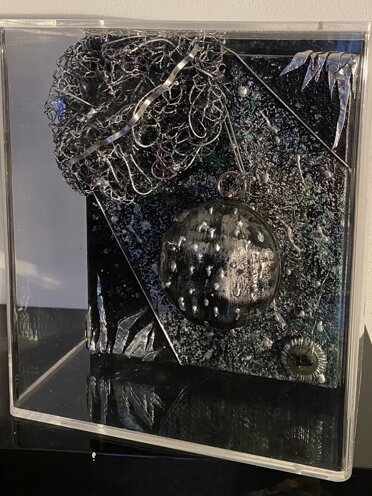
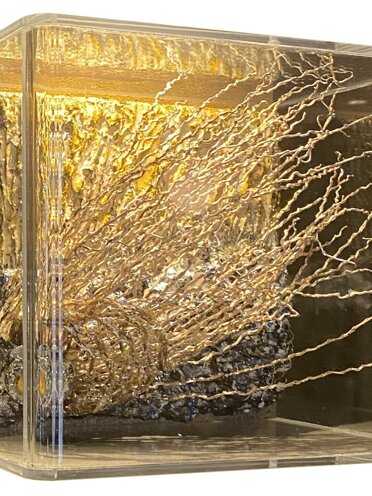
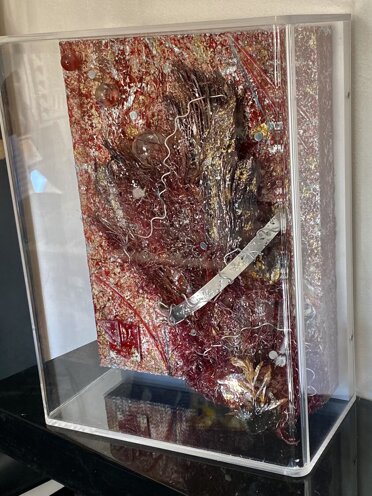
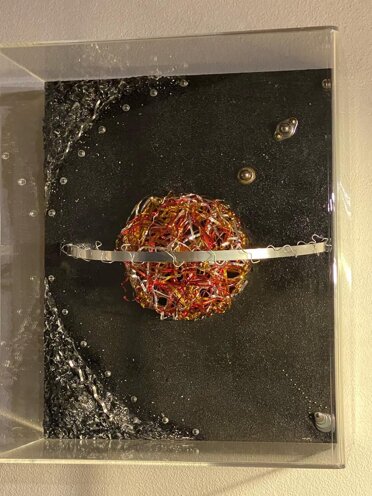
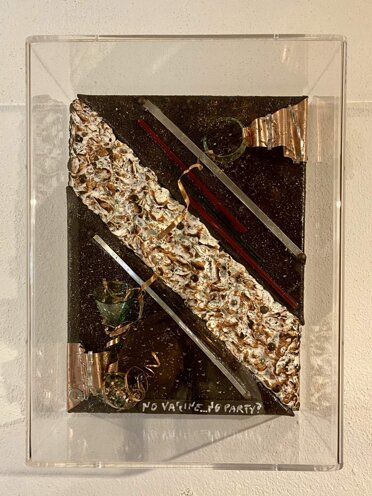
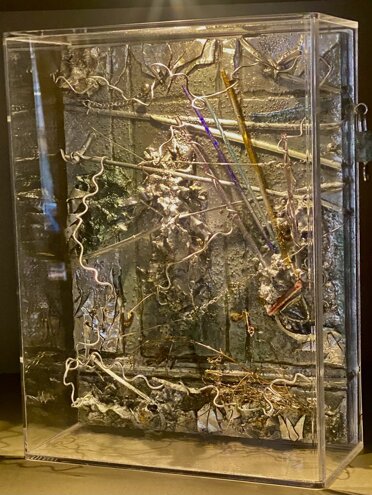
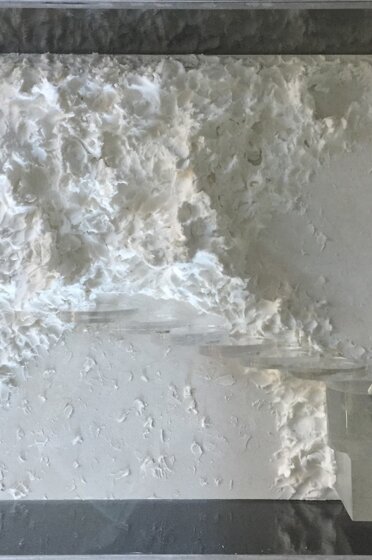
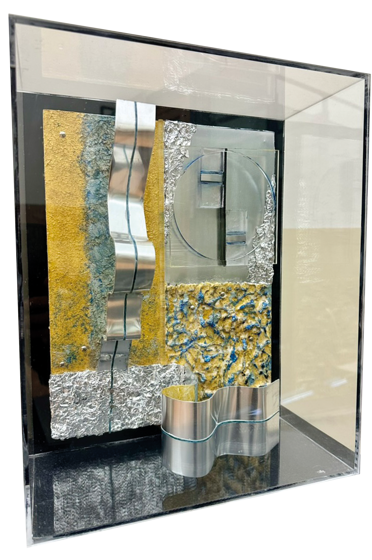
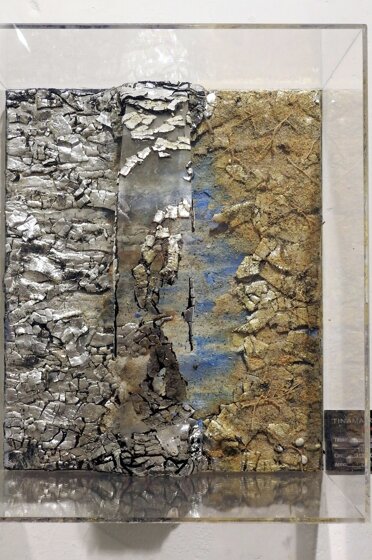
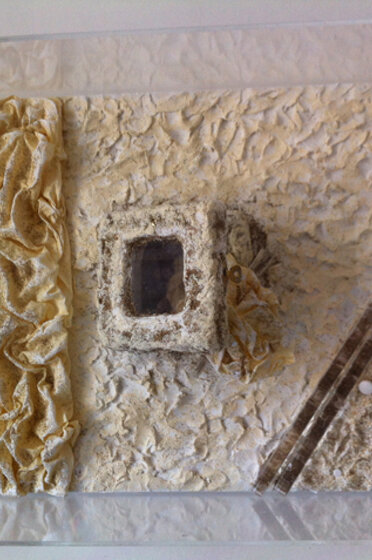
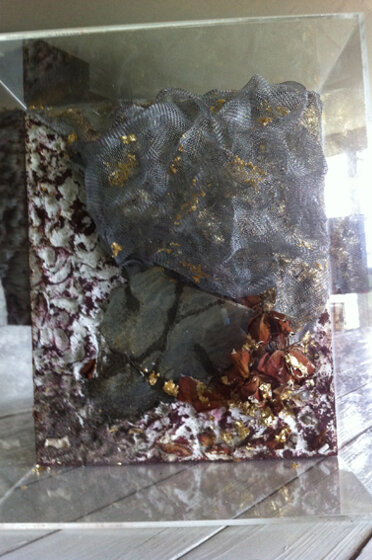
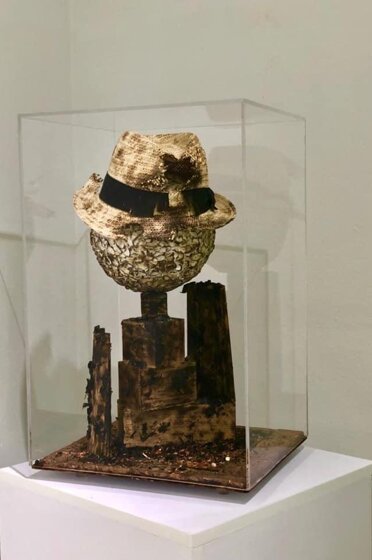
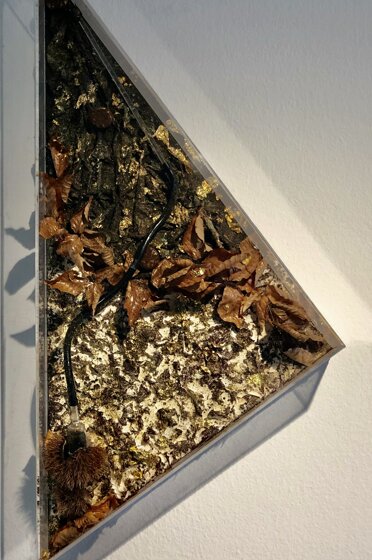
Observing the compositions boxed with transparent plexiglass walls, it seems that the artist, Tinamaria Marongiu, invites us to look beyond the usual 'window' of art. As if to induce us to draw from a world of forms that are artfully born from the reality that surrounds us. From the common and discarded world of things, from the residues of worn-out materials, from their clump of dust and uselessness, from their scattered toxic and corrosive functions or, perhaps, of excitement and care, as in the case of the use of pharmaceutical pills, with their rounded shapes of hard and colored pastes.
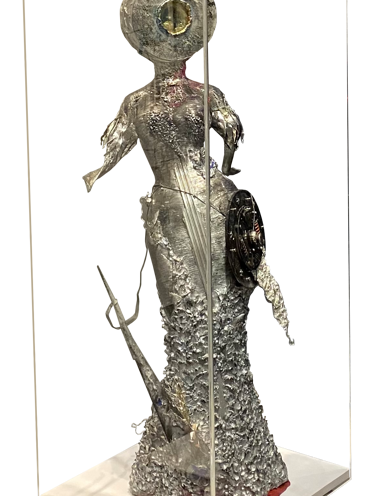
The mixed materials with colors, the objects assembled and glued to the image plane constitute the equipment, which, however precarious and indigent, does not renounce the arrangement, to nucleate a form. This, however hidden, settles, tends toward composition. As always, after all, when the artist uses poor languages, when she practices the formless, the compositional outcome, even if denied, does not remain unexpected. Tinamaria thus shows that she assigns to her completed work the sense of the event, the path of a making that handles and gathers, that chooses and arranges under the sign of the accident, of the event.
Each element seals itself in the provisional, in the weave and precariousness, in the completed but inexhaustible. Each has an all-encompassing relationship with life. Hence the name the artist has given to her transparent containers, the Box-Es, as static representations of being in constant becoming. The work, in short, actually happens and in it every mixture of color and material, every projection of forms and objects shines through, coagulates in the imaginative datum found or surfaced from the play of fantasy as from the intimate impulses that the artist pursues and captures. Fantasies and impulses, with strong abstraction of forms, that Tinamaria stimulates and delivers to the changing and accumulating compositional horizon. And yet, much of this manner, of this making with abstraction and giving concreteness to image, accords with the visual sense, vast and all-encompassing, of the natural landscape.
Nature precisely as a weave of vision, as a perceptual response and of grasping adherence to the things it gathers and arranges. However transfigured in abstraction, the works depend on what the artist lives and sees.
It is the photographic shots, the sequences of vision on landscapes and horizons, on seascapes and territories that the artist produces together with the works in the plexiglass containers that provide us with the plot and the imaginative cut of her compositional work.
Certainly, the things seen around, the light and spaces take on different forms and aggregations through the mind's eye, through the handling of materials and colors. The things of life, like those of nature, are in any case a generous gift in their overlapping and intertwining with the image schemes, with one's own style habits. They constitute the primary sense that includes and roots us in the world, the surprise and discovery in the forms of art.
Consistent with this belonging to the becoming of things, Tinamaria does not title her works, does not assign them a context of meaning, a name. In their image event, in their Box-Es, they always belong to something already happened and that will continue to happen, they are distinguished by numbering from a thousand onwards. Where perhaps the number one thousand stands for what has already happened. However, the lack of a title does not prevent communication, the sense of image that the works collect and transmit, sometimes aiming at the luminous play of materials, sometimes at irony, sometimes at the melancholic aspect of decay and falls of the social world.
Thus, seeing them in their fabric of references and allusions, of symbols and metaphors, Tinamaria's works seem to tell us, as among the things of life, that her works do not need a title to be identified and understood.
The use of abstract forms, of materials and objects for some time in art aims to become a mirror of moods and social realities. In her expressive spectrum, Tinamaria combines with plastic forms, with photography, music, her singing voice, her song lyrics. It would not be difficult to glimpse and feel among these modes, these expressive abilities, something that unites, that intertwines and motivates in her soul. Something transfiguring and melancholic that embraces her life and the forms of art. Truly, rhythm, not only musical, belongs to her in a compositional key and makes it a style of image that the more it is contaminated with the realities of life, the more it is enriched with creative opportunities.
LUIGI PAOLO FINIZIO